Living in Harmony with Nature and teaching others to garden the natural (organic) way, with emphasis on practices that lead to NUTRIENT DENSE produce!

Harmony Gardens

Harmony Gardens
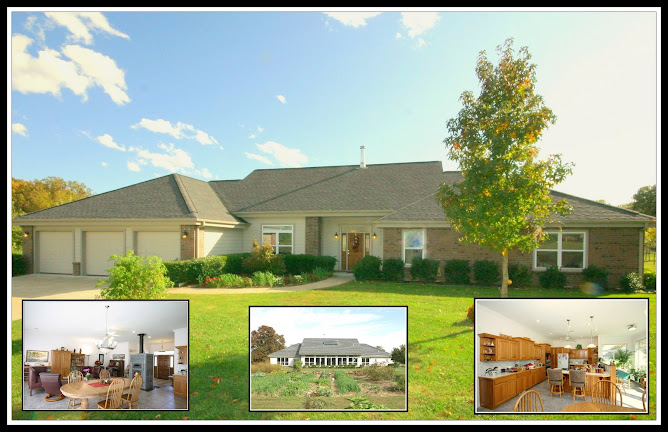
Bey Home designed by Stitt Energy Systems, Inc. 2002

Welcome To Our Site

Our intent is simple: to provide useful information on gardening, health and sustainability issues. We will include class and meeting announcements, gardening information, and book reviews. The articles that Calvin writes for Garden Thyme, the Master Gardener Newsletter will be included. We will try to make this site easy to use and relevant.

About Me

My photo
Fayetteville, Arkansas, United States
Harmony Gardens is the home of Calvin and Doris Bey. As the name implies our goal is to live in harmony with the Laws of Nature. We are concerned about the environment, energy efficiency, organic gardening, alternative health, and sustainability issues. We love our Stitt Energy Systems Inc. energy efficient home, which received a First Place NAHB National Award for 2003. Calvin is a retired USDA Forest Service scientist. Each year he teaches classes in Organic Gardening in February and March and again in September. Doris is a retired RN. Calvin and Doris have put their energy efficient house up for sale (by owner). See first post for description, pictures, and house design.

August 7, 2008

Late-Summer and Fall Gardens


The first part of August is the time to plan for the late-summer/fall garden. Fall crops that will do well here include; lettuce, radishes, broccoli, cabbage, beets, carrots, onions, and potatoes. Plan to put those seeds or plants in the ground in late August or early September. Get a soil test now to guide you before you plant the fall crop. If you want to use an organic fertilization approach, I am willing to help you. Just contact me after you have the soil test report. In advising, I also like to know what fertilizers you have applied this past year, and what kind of production and problems you have encountered.

In the last couple months, I have dealt with several gardeners, who have been using too much compost for their vegetables. As a result they are getting lush vegetative growth, but not good fruit production. Just like fertilizer recommendations, the amount of compost to apply needs to be calculated and measured. A soil test for minerals and a test for organic matter content are strongly advised.


For gardeners with raised beds, this has been a good year. The 7.5 inches of rain in June and 5 inches in early July has generally resulted in exceptionally good plant growth. A few folks, without raised beds, have had some problems with too much rain. Some noticed the plants wilting after the big rains. It's likely that their soil is super saturated and that the soil air space is filled with water. The plant roots need air, so the plants are under stress and unable to grow. Plants like this can wilt just like they might do under drought conditions.


If you are not going to grow a fall garden, by all means get a cover crop of oats planted, not later than mid-September. Last year I had a patch of melons, still producing at the first of September, on beds where I wanted to get a cover crop of oats. I simply scattered the oats on the beds, scratched it in a little and spread a quarter inch of compost on the top. In a few days it germinated, and by the time the melons were gone (mid-September), the oats was several inches tall. In the next two months, it grew to 30 inches, died back in January, and left the soil fully covered until I was ready to plant in the spring. In March, I just raked the oats straw cover back and planted—not tilling or even turning the soil. On that spot I just took off onions (1015Y), that produced 75 pounds in 25 square feet.

Another good cover crop choice is Austrian Winter Peas. They have the advantage of fixing nitrogen in the soil. Like oats, they will germinate quickly and make a cover in a short time. They will stop growing in December here in NW Arkansas, but will resume growth again in February. They are nitrogen fixers, so when it was time to plant corn (June 2 this year for me), I simply pulled the peas and left them in place for mulch. I planted the corn and in 43 days, by July 15, I had heirloom "Country Gentleman" corn that was more than 9 feet tall. See photo and other garden photos on my website. Gardening can be made simple, and often with less work than you might anticipate. Just follow a few key guidelines and respect the Laws of Nature.

I will be teaching a course (Organic/Biological Gardening) in August and again in September. For those interested, please contact me. The course is packed with a lot of information. See my site: harmonygardens.blogspot.com for course details and other gardening information.

If you are observing your trees this year, you have probably noticed that the oaks and pecans have an excellent seed crop. After a near-bust mast crop in 2007, the situation for wildlife looks good. I have 7-year old grafted and seedling pecans that are loaded with seed. Though we have a few months to go, I am looking forward to a bountiful harvest. If you are interested in growing pecans as a crop, give me a call.


July 7, 2008

2008 Garden Photos


July 7,2008


Greetings,

So far, 2008 has been a good gardening year. Although we had a cool spring, the rains have been very helpful and temperatures in late May and June were moderate. The raised beds have been very helpful for drainage with the many rains. Most crops have done well. I am posting a few pictures of the garden and the produce.


Note also some photos of a few of our bird friends, winter garden design, and an experiment with the use of sprinklers to keep from losing peaches in 25 degree temperatures in mid May.

We had a very good "Field Day" here in early June and many folks have dropped by since that time. Our goal is to help others to grow their own vegetables in a sustainable manner. We strive to grow nutrient dense produce, using the natural (organic) approach. It works! It builds soil and it is far better for the land and for our health. With food becoming an increasing world-wide scarcity (a crisis), it behooves us all to seek ways to be better stewards. By avoiding toxic pesticides, most chemical fertilizers and GMOs, we take the first step to improvement of our land. See pictures of produce below, grown by following the Laws of Nature.

Blessings, Calvin and Doris


July 2, 2008

World Food Crisis -- Here and Now--Our Opportunity

Organic Gardening and More

"World Food Crisis"--Here and Now--Our Opportunity

By Calvin F. Bey CFBey1936@cox.net

We have all been hearing about what is now called the "World Food Crisis." As I have followed environmental issues over the past 25 years, I often had the feeling that future generations in the US would someday be facing food scarcity and food security issues. Never did I expect that so soon we would see leading magazines featuring the "World Food Crisis," nor country after country already experiencing food riots.

This world issue is now affecting us in the US and promises to become more severe. There are obvious reasons; oil prices are up, food crops are being diverted into ethanol, there are weather related crop losses, and grain futures market speculations that drive up prices. As Americans, our food prices in the past have been unusually low, so price increases now make for difficult adjustments. The fact is that rising food prices (40% world-wide in last 2 years), have hurt the poorest, first and hardest. For those already living on marginal calories, many will become starvation victims. It greatly concerns me that the trends described above are likely to continue and will probably even accelerate.

This "world" problem is here and now in the US. Many people in the US are experiencing hardships and becoming more concerned about their food supply. We are hearing more and more about sharpening our skills to survive under "rules" of scarcity. There has already been a surge in the number of people interested in home gardening. W. Atlee Burpee and Co. sold twice as many seeds this year as it did last year. Seed Savers Exchange ran out of seed potatoes this year and mailed 10,000 tomato and pepper transplants in May, double the usual amount. Stark Bothers Nurseries and Orchards Co., and others are reporting increased sales. I have had more than 100 people tour my vegetable garden this spring. Most were new folks wanting to learn how to do a better job of growing their own produce. While all of this is great, it is also an indication of a developing need in society—the need to train others in growing vegetables. To me, it seems a perfect fit that we as
Master Gardeners become known for helping to address the "world food crisis" issue.

Wouldn't it be wonderful if we as Master Gardeners began placing more effort in our Chapters on how we can help others grow their own food in a sustainable manner? We could start by encouraging more Master Gardeners to grow vegetables for themselves and then training others. I think that this needs to be an entirely grassroots effort. By that, I mean individuals in Chapters taking on additional responsibility to learn more about vegetable growing and to help others grow their own food in a sustainable manner. It will succeed best if done at the grassroots level. Being a gardening mentor for a neighbor or a friend can be a very helpful and rewarding experience. Perhaps there could be more official MG projects that would fit into this category.

In the future, when asked what Master Gardeners have done to help with the world food crisis, I would like to be able to say, "We began by helping our neighbors grow more of their own food. And then the neighbors began helping their neighbors. And soon we had a community of growers and believers in an effort that made locally-grown produce a reality. Yes, Master Gardeners and their neighbors were important contributors in the grassroots efforts in making a difference for themselves, their neighbors and for the World Food Crisis."

I suggest that this idea be promoted in every Master Gardener Chapter in Arkansas and throughout the entire country.

May 21, 2008

Why do more than be "organic'?


Almost 40 years ago now, a co-worker explained to me how he had grown strawberries successfully and continuously in the same bed for 17 years. That was very different from the two-year system that I knew about, so I was curious. It turned out he was growing strawberries organically, and was using a light layer of wood chips to cover the beds. I tried his system, it worked, and I began following organic gardening practices. It took until the last few years for me to fully understand why his system for strawberries was so successful. In short, the organic system was keeping the soil system biologically healthy and the wood chips favored the correct balance between beneficial bacteria and beneficial fungi that are ideal for strawberries. I use this example to demonstrate that change often only comes after we see results for ourselves. Taking that first step is often the hard part of making a change.


When I teach organic gardening classes, I explain the rationale for going organic in this manner. Do it for the benefit of creating a healthy, pollution-free environment, and for the benefit of growing produce that is free of toxins. Chemical pesticides are toxic. They are designed to kill and they continue to compromise human health. There are many bona-fide medical studies to support this contention. Furthermore, the organic approach leads you much more in the direction of sustainable production. In fact, the history lesson from chemical farming in this country is that we have depleted organic matter and minerals in our soils, and allowed most of the top soil to wash or blow away.


It is not more difficult or risky to garden organically. Given that you understand and follow the common organic principles and practices, growing vegetables organically is not more difficult. It may take a few years to make the complete conversion, but with a little patience, you will be rewarded for your efforts. In short, you need to adopt the philosophy and work in harmony with the Laws of Nature, and relinquish the "control nature" attitude (management with arrogance, I call it). Your focus becomes building a healthy soil, which produces healthy plants, produce, and consumers.


It is not more expensive to garden organically. Gardening costs will depend on the organic matter and mineral content level that you have in your soil. For the first few years, you may have more costs as you concentrate on building up the soil. It's important to think about costs in relation to value received, not just the pounds and bushels of produce. Agriculture consultant and medical doctor, Dr. Arden Anderson, puts it this way, "With chemically grown produce, your first grocery bill installment is at the supermarket. Your second installment is at the medical Doctor's office. "


How about organic yields? Just as in any type of farming or gardening, the yield and quality of produce in organics depends on the management practices and the skill and diligence of the grower. There are many organic approaches, and the minimum approach to qualify for "organics" is rarely adequate to get the highest yield and quality. That is why I insist on "Organic Gardening and More." My approach is to concentrate on keeping the soil biologically healthy and getting the minerals to proper levels and proper ratios. The application of compost plays a major role in developing the potential in the soil. My garden plot is roughly 1500 square feet, and last year my production was right at 1500 pounds. I get about 100 pounds of tomatoes per plant, and have had as much as 150 pounds. I regularly monitor nutrient density (Brix readings) of my produce and, as a rule; they exceed that of store bought produce.


Special equipment is not needed. I have been using raised beds, without sideboards, and have no problems. The beds drain quickly and warm up a little faster in the spring. I double-dug my garden the first year, and incorporated organic matter into the lower soil layers. That has paid off in increased water holding capacity of the soil and increased production. I have never used a roto-tiller, which is hard on soil structure and beneficial fungi. Those who visit my garden see the deep, mellow, crumbly soil that has never been tilled. I believe strongly in keeping a crop, mulch, or cover crop on the soil at all times. It is the primary factor in promoting a biologically active and healthy soil.


Crop rotation is important, but difficult to manage when growing 25 different kinds of vegetables each year. I try to move things around, avoiding tomatoes and corn (heavy feeders) in the same place each year. I use a few companion plants in the garden, and if soil conditions are right, I use the energy cycles of the cosmos (moon signs) to guide planting dates.


The organic movement is the fastest growing segment in world-wide agriculture today. It is also a growing segment in USDA, with 100 scientists currently involved in research. In 2003, there were about 9,000 acres of cropland in organics in Arkansas. Though relatively small, it is good to see an organic horticulture program at the University of Arkansas, with Professors Dr. Curt Rom and Dr. Donn Johnson leading the research effort. The University student Organic Farm group has started vegetable gardens on the University Farm, and they sell at the Fayetteville Farmers Market.


My Organic Gardening Course is an all-day session (or more). The goal of the course is to help people make a smooth transition into organics, with emphasis on growing nutrient dense produce. Topics covered in the course include sustainability concepts, soils, fertilizers, composting, watering, timing, variety selection, cover crops, and many tips to make gardening effective, easy, and efficient. There are many good references on organic gardening. You can start by getting on the web and/or contacting me if you have questions. I will be doing a Garden Tour at my place on June 7 and all are welcome. See my web site for details. For Master Gardeners out of the area, let me know if I can be of assistance as you deal with organic programs and training.


Just as in farming, there are options for the approach you use in gardening. I encourage all gardeners to take a leap of faith and get on board in sustainable gardening using the organic methods. The long-term benefits include healthier produce, a healthier environment, and peace of mind that you are a part of the solution to the world's soil pollution problems. In the end, it all adds up to being responsible stewards for our home, our Planet Earth!

April 8, 2008

Meet "Myc" and Associates

So who is "Myc?" He is, or should be, your best gardening and landscaping friend. This is especially true if you are concerned about healthy trees and shrubs. "Myc" is short for the mycorrhizae, (mike-or-eye-z) fungi. The word "mycorrhizae" is from the Greek and means "fungus-root." In short, it is a symbiotic relationship between the plant roots and the fungi. In return for the exudates from the plant roots, mycorrhizal fungi seek out water and nutrients and bring them back to the plant. Neither can survive well without the other. An acre of healthy soil should contain a few thousand pounds of this fungus. What a great working relationship and what an amazing, wonderful natural system.

Mycorrihzae have been known since 1885, when German scientist Albert Frank compared pines grown in sterilized soil and those grown in sterilized soil but inoculated with forest fungi. Those with the fungi grew much faster and larger. We now know that more than 90 percent of all plants develop mycorrhizae, and only perform at their best when they are present. Clearly, fungicides and other pesticides, high salt inorganic fertilizers, and soil disturbances like roto-tilling destroy the fungal hyphae (the thread-like network of the fungi that you see in leaves and decaying wood chips).

The primary function of fungi is to break down organic matter in the soil. They are first rate decomposers, even better than bacteria. The enzymes that the fungi release allow them to penetrate not only the lignin and cellulose in plants (dead or alive) but hard chitin shells of insects and the bones of animals. The enzymes produced by fungi are decidedly acidic and can contribute to lowering of the soil pH. It is important to remember that they are living off plant root exudates, and it is the plant (through the production of the root exudates) that is in control. In the process of doing all this, the mycorrhizae move water and nutrients into the plant.

Mycorrhizal fungi are of two kinds. The first, ectomycorrhizal fungi, grow close to the root surface of roots and can form webs around them. This type is associated with hardwood trees and conifers. The second type,

endomycorrhizal fungi, actually penetrate and grow inside the roots, as well as extend outward into the soil. This type is preferred by most vegetables, annuals, grass, and shrubs. Both types increase the effective surface area of the plant's roots, from 10 to 100 times.

Mycorrhizae are very important in bringing phosphorus to the plant. The acid produced by the fungi can unlock, retrieve, and transport chemically locked-up phosphorus back to the plant. They can also free up copper, calcium, magnesium, zinc, and iron for plant use.

Mycorrhizae can be considered mineral storage facilities. They begin by breaking down organic matter, transporting the minerals to where they are needed, and leaving a storehouse full of reserves when they die. This is the way it works in Nature, and will work for us if we are not abusive to our soils with pesticide toxins and chemical fertilizers. For soils that have been poisoned with toxins, it is fungi, bacteria, and other soil organisms that can restore those soils. Just as they breakdown organic matter, they can breakdown the toxins. But why give them this added burden, if not necessary.

Is there anything I can do to increase the bacteria and fungi in my garden, orchard, and landscape trees? Yes indeed. First, you can change the cultural things you are doing. Remember, you want both bacteria and fungi in each situation. But, you want higher bacterial populations in the garden and higher fungal populations for the orchard and landscape trees. In the garden, the fungi:bacteria ratio should be at the 1:2 level; for the trees it should be at the 10:1 or greater level.

For the garden with a high bacterial requirement, follow these guidelines:

1. Slowly build the organic matter in the soil to 5 percent. Good compost will help.

2. Get the mineral ratios in the soil corrected.

3. Keep the soil in a crop, cover crop, or mulch at all times.

4. Avoid using anything toxic – pesticides, high salt chemical fertilizers, and even chlorinated water.

5. For better aeration, use raised beds.

6. Till as little as possible. No roto-tilling.

For the orchard and landscape trees, which require a high fungal population, follow these guidelines.

1. Slowly build organic matter to 5 percent.

2. Get the mineral ratios in the soil corrected.

3. Use some wood chips for mulch. A couple inches will do. Keep it away from the tree trunk.

4. Avoid using anything toxic on the soil.

5. Avoid situations where you will have drainage problems. Drain if needed.

6. No tilling. In addition to destroying fungi, you will tear up tree roots.

A second important improvement technique is simply to add fungi and bacteria inocula directly to your soil. Many landscapers are now adding mycorrhizal fungi as they plant shrubs and trees. These bacteria and fungi are available from many sources. For the garden, be sure you have a good mixture of bacterial and fungal species. For trees, look for sources that contain several species of the endo- and ectomychorrizal fungi types.

Severely abused, disturbed and polluted soils are the ones that will benefit most from the added inocula products. Whatever microbes you apply are not likely to hurt the soil. The plant and many other organisms already in the soil ecosystem will sort out which ones are needed, and the desirable ones will prevail. See the book by Jeff Lowenfels and Wayne Lewis, Teaming with Microbes, as well as the web, for much more detailed information on this subject.

Garden 2007

Garden 2007
Heirloom "Country Gentleman" Corn